GAD7 for Teens: Understanding Adolescent Anxiety Scores
When anxiety weighs on your teenager's mind, the silence can be deafening. You see the subtle changes—the late-night study sessions that yield falling grades, the social invitations that are suddenly declined—and you search for answers. For parents navigating the complexities of adolescent mental health, the journey often starts with a single question: "Is this normal teenage stress, or something more?" The free GAD7 assessment offers a scientifically validated, compassionate starting point designed specifically for your teen's needs.
This comprehensive tool helps translate vague worries into clear, actionable insights, empowering you to support your child with confidence and understanding.

How the GAD7 Works for Teen Anxiety Assessment
The Generalized Anxiety Disorder 7-item (GAD7) scale is not just another online quiz; it is a clinical instrument trusted by healthcare professionals worldwide. It measures the severity of anxiety symptoms by asking how often, over the last two weeks, an individual has been bothered by seven core issues, including uncontrollable worry and irritability. For teenagers, this tool is especially powerful, but its application requires a nuanced approach that accounts for their unique developmental stage.
The Science Behind the GAD7: Validated for Youth Populations
Originally developed by Dr. Robert Spitzer and his colleagues for primary care settings, the GAD7 questionnaire has undergone rigorous testing with adolescent populations. Multiple studies have confirmed its reliability and validity for youth aged 13 and older. Research published in journals like the Archives of Pediatrics & Adolescent Medicine shows it accurately identifies a high percentage of teens experiencing clinical anxiety, especially when scores exceed the 10-point threshold.

Unlike generic, adult-focused tools, our platform utilizes an algorithm that adjusts interpretation thresholds for the developmental differences in adolescent emotional expression. This ensures that the feedback you and your teen receive is contextually relevant and avoids either over-pathologizing normal teen angst or downplaying serious concerns.
Key Differences Between Adult and Teen GAD7 Administration
Administering the GAD7 to a teenager is different from using it with an adult. The way questions are understood, the emotional context, and the need for privacy all play a more significant role. We've tailored our process to address these key distinctions:
- Simpler, Relatable Language: We've adapted the phrasing of certain prompts for better adolescent comprehension without compromising the clinical integrity of the questions. For example, a question about being "easily annoyed or irritable" is framed in a way that resonates with common teen experiences involving school, friends, or family.
- Contextual Scoring and Interpretation: A score of 8 might indicate mild-to-moderate anxiety in an adult, but in a teenager, it could warrant closer attention. The adolescent brain is still developing, and factors like hormonal fluctuations, academic pressure, and social dynamics can amplify anxiety. Our system contextualizes the score, providing insights that reflect these realities.
- Enhanced Confidentiality Protocols: Acknowledging a teen's need for autonomy is critical. Our platform allows teens aged 13 and older to complete the test privately, with results that are fully encrypted. They have the control to decide if, when, and how they share their report, fostering a sense of trust and ownership over their mental health journey.
Understanding Your Teen's GAD7 Score: What Each Level Means
Once the assessment is complete, you receive an instant score from 0 to 21. This number is not a label but a data point—a snapshot in time that helps guide your next steps. Here’s how to interpret the different score ranges for an adolescent.
Mild Anxiety Scores in Teens: When to Pay Attention
A GAD7 score between 5 and 9 suggests mild anxiety. While it's common for teens to experience this level of stress during exam periods or after a social conflict, persistent mild anxiety can interfere with their well-being. It's the "low-grade fever" of mental health—not an emergency, but a clear signal to pay closer attention. Watch for patterns such as:
- Persistent Sleep Disturbances: Trouble falling asleep, waking up frequently, or sleeping much more than usual.
- Avoidance of Social Activities: Suddenly backing out of plans with friends or dropping extracurricular activities they once enjoyed.
- Sudden Academic Decline: A noticeable drop in grades, especially in subjects they are usually good at, can be sign that worry is consuming their cognitive resources.
- Excessive Reassurance-Seeking: Constantly asking questions like, "Are you mad at me?" or needing repeated validation for their decisions.
Our AI-powered analysis can help identify subtle patterns in these mild cases, suggesting evidence-based coping strategies like mindfulness exercises or journaling prompts tailored to teenage lifestyles.
Moderate to Severe Scores: Red Flags and Next Steps
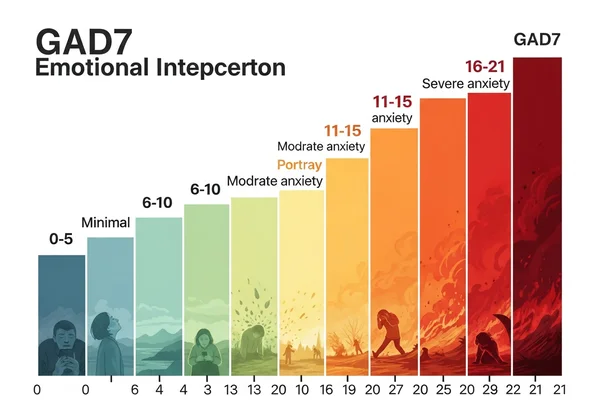
Scores of 10 or higher signal that anxiety is likely causing significant distress and impairment in your teen's life. This is the point where proactive intervention becomes crucial. The table below explains the score thresholds and recommended actions.
| GAD7 Score | Anxiety Level | Immediate Actions |
|---|---|---|
| 10-14 | Moderate | Open a supportive conversation about their results. Encourage them to retake the test weekly to monitor trends. Consider connecting with a school counselor or therapist for an initial consultation. |
| 15-21 | Severe | This score indicates significant distress. Schedule an appointment with your pediatrician or a mental health professional immediately. Discuss the results and work together to form a comprehensive support plan. |
A critical insight: Anxiety in teenagers often manifests physically through symptoms like frequent headaches, stomachaches, or unexplained fatigue. Our platform's personalized reports can help you and your teen's doctor differentiate between normal stress and concerning psychosomatic symptoms.
Using GAD7 Results to Support Teen Mental Health
The GAD7 score is the beginning of a conversation, not the end. How you approach this conversation can make all the difference in helping your teen feel supported rather than scrutinized.
Creating a Safe Environment for Teen Anxiety Discussion
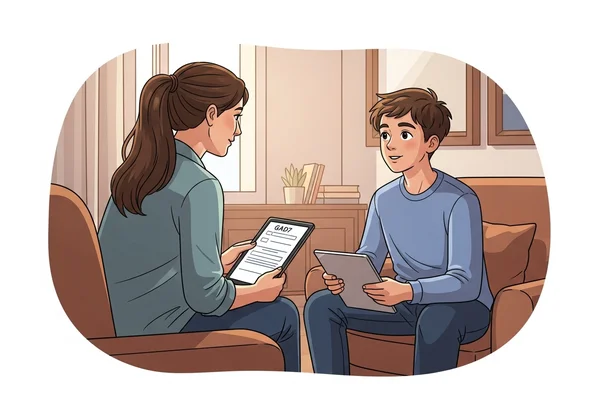
After reviewing your teen's GAD7 score interpretation, choose a calm, private moment to talk. Avoid accusatory language or expressing alarm. Instead, lead with empathy and validation. Try these communication strategies:
-
"I saw your results, and it looks like you're dealing with a lot right now. I'm here to listen, without judgment, whenever you want to talk."
-
"Thank you for being brave enough to take this assessment. Many teens experience this. Let's figure out the next steps together."
-
"Would you feel comfortable with me helping you find a professional to talk to? You could even share your report with them if you think it would help."
When to Seek Professional Help After a GAD7 Assessment
While self-help strategies are valuable, professional guidance is essential in certain situations. Consider seeking help from a therapist, psychologist, or psychiatrist if your teen shows:
- Consistently Elevated Scores: Three or more weeks of scores in the moderate-to-severe range.
- High-Risk Behaviors: Panic attacks, talk of self-harm, or significant changes in eating or sleeping habits.
- Significant Functional Impairment: School refusal, social withdrawal, or an inability to complete daily tasks.
Remember, our confidential screening tool provides clear, structured documentation that you can share with healthcare providers, creating a smoother and more informed transition to professional care.
Your Teen's Journey Starts with Understanding
Anxiety does not define your child—it is a manageable condition that many people navigate successfully. By using a clinically validated GAD7 tool, you have already taken the most crucial step toward providing the support your teen needs: the step toward clarity.
Thousands of families have found a path forward through our confidential assessment. Your teen's journey toward understanding and managing their anxiety can begin right here, right now. In just two minutes, they can:
✅ Receive an instant, confidential anxiety score ✅ Access age-adjusted interpretations that make sense ✅ Generate a personalized AI report with actionable coping strategies
Frequently Asked Questions About GAD7 for Teens
What is the minimum age for taking the GAD7 assessment?
Our tool is specifically validated and calibrated for individuals aged 13 and older. The emotional and cognitive development of younger children requires different assessment methods, and they should be evaluated by pediatric mental health specialists who can use tools designed for their age group. The GAD7 questionnaire on our platform is intended to provide meaningful results for the unique challenges faced during the teenage years.
Can a teen take the GAD7 without a parent present?
Absolutely. We designed the platform to prioritize a teenager's privacy and autonomy. Teens aged 13 and up can complete the assessment privately, and their results are encrypted and confidential. They have the sole discretion to share their results if and when they feel comfortable. We believe this fosters trust and encourages honest self-reporting, while also providing features that make it easy to start a family conversation when the time is right.
How often should a teen retake the GAD7 assessment?
Regular check-ins can be incredibly helpful for tracking mental wellness. We generally recommend the following frequency:
- Monthly: For general wellness checks, similar to a regular emotional health "temperature check."
- Weekly: When scores are consistently in the mild (5+) range or higher, or when they are going through a particularly stressful period (e.g., exams, social changes).
- After Significant Life Events: Following major changes like a move, a family issue, or a new school, to gauge how they are coping.
What if my teen's GAD7 score changes over time?
Fluctuations are completely normal and even expected. A teen's anxiety levels can change based on stress, sleep, social situations, and more. Our platform allows you to store historical data securely, which turns these fluctuations into a valuable tool. Tracking these changes helps identify triggers and patterns. This data-driven insight is powerful when speaking with doctors or therapists, as it provides a concrete record of your teen's experience over time. You can sign up for progress tracking to monitor improvements or detect concerning trends early.