GAD-7 Self-Care: Tailored Anxiety Management Plans by Score
Your GAD-7 score is a valuable starting point, but it's not the end of your mental health journey. Understanding your results is the first step, but knowing what to do next is crucial for feeling better. How can you turn your score into a practical plan for managing anxiety?
This guide provides customized self-care strategies tailored to your specific anxiety level. Whether your score is mild, moderate, or severe, you'll find actionable steps to help you move forward. Getting your score is the key that unlocks this personalized approach. If you haven't yet, you can discover your score with a quick, free assessment on our website.
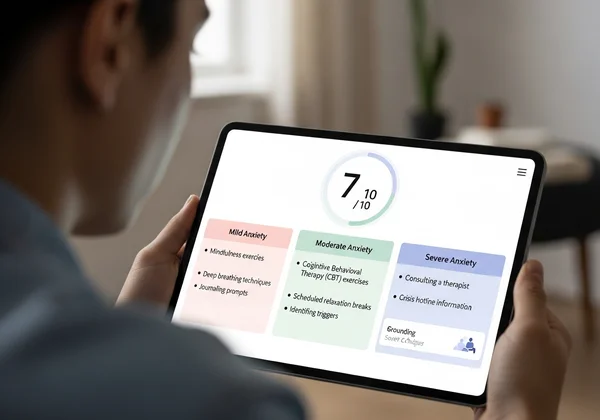
Understanding Your GAD-7 Score and Its Implications
The Generalized Anxiety Disorder 7-item (GAD-7) scale is a trusted tool used by professionals to screen for anxiety symptoms. It asks you to rate how often you've been bothered by seven different symptoms over the past two weeks. The total score helps provide a snapshot of your current anxiety level. It’s important to remember that the GAD-7 is a screening tool, not a diagnosis. A high score suggests that you could benefit from a conversation with a doctor or mental health professional.
GAD-7 Score Ranges: Mild, Moderate, and Severe Anxiety
After completing the assessment, your answers are added up to produce a score from 0 to 21. This score falls into one of four main categories, which helps contextualize the severity of your symptoms.
- 0-4: Minimal Anxiety. Scores in this range suggest you are likely experiencing minimal to no anxiety symptoms.
- 5-9: Mild Anxiety. This indicates the presence of mild anxiety symptoms. While manageable, they may be causing some distress.
- 10-14: Moderate Anxiety. A score in this range suggests that anxiety symptoms are frequent and may be interfering with your daily life.
- 15-21: Severe Anxiety. This indicates that anxiety symptoms are persistent, intense, and likely have a significant impact on your functioning.
Understanding where you fall on this spectrum is the first step toward finding the right support strategies.
What Your Score Reveals About Your Daily Functioning
Your GAD-7 score is more than just a number; it's a reflection of how anxiety might be affecting you. For example, a mild score might mean you feel restless or on edge some days but can still handle work and social activities.
A moderate score could mean you find it difficult to concentrate, feel irritable more often, and might start avoiding certain situations that trigger your worry. With severe anxiety, everyday tasks can become challenging. This condition may affect your job performance, relationships, and even basic responsibilities. Recognizing this connection helps you see why taking action is so important for your well-being.
Self-Care Strategies for Mild Anxiety (Scores 5-9)
If your score falls in the mild range (5-9), you have a great opportunity to build healthy habits that can prevent anxiety from becoming more disruptive. These strategies focus on creating a foundation of well-being and learning simple tools to manage moments of stress.
Daily Habits That Reduce Mild Anxiety
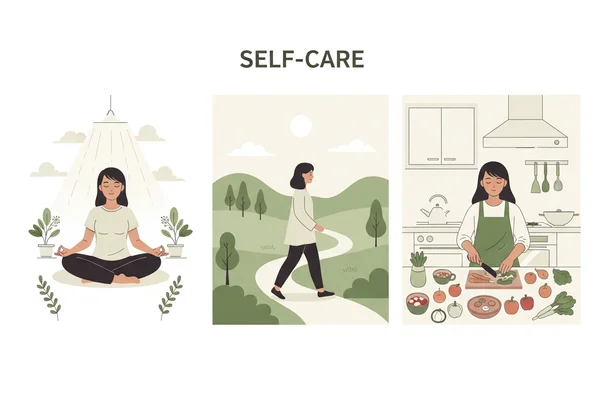
Small, consistent actions can make a big difference when dealing with mild anxiety. The goal is to create routines that support your mental and physical health, making you more resilient to stress.
-
Prioritize Sleep: Aim for 7-9 hours of quality sleep per night. A consistent sleep schedule, even on weekends, helps regulate your body's stress response.
-
Move Your Body: Regular physical activity is a powerful anxiety reducer. Even a 20-minute walk each day can boost your mood and lower tension.
-
Mindful Nutrition: Pay attention to how food affects your mood. Limiting caffeine and processed foods while focusing on whole foods like fruits, vegetables, and lean proteins can help stabilize your energy and emotions.
-
Stay Connected: Make time for friends and family. Social connection is a natural buffer against stress and feelings of isolation.
Breathing Techniques and Quick Relaxation Methods
When you feel a wave of anxiety, having a quick tool to calm your nervous system is incredibly helpful. These techniques can be done anywhere, anytime.
One of the most effective methods is diaphragmatic breathing, or belly breathing. Sit or lie down comfortably. Place one hand on your chest and the other on your stomach. Breathe in slowly through your nose for four counts, feeling your stomach rise. Hold your breath for a moment, then exhale slowly through your mouth for six counts, feeling your stomach fall. Repeat this for a few minutes until you feel more centered.
Self-Care Strategies for Moderate Anxiety (Scores 10-14)
A score in the moderate range (10-14) suggests that anxiety is likely having a noticeable impact on your life. At this level, more structured approaches are needed to regain control and challenge the patterns that fuel your worry. It’s a good time to get a clear picture of your symptoms by taking a confidential GAD-7 test.
Structured Routines for Managing Moderate Anxiety
When anxiety feels chaotic, structure provides a sense of predictability and control. Building a routine can help ground you and reduce the mental energy spent on worrying about what's next.
- Schedule "Worry Time": Designate a specific 15-20 minute period each day to think about your worries. When anxious thoughts arise outside this time, gently remind yourself to save them for your scheduled slot. This helps contain worry instead of letting it take over your day.
- Plan Your Days: Use a planner or calendar to map out your tasks and appointments. Breaking down large tasks into smaller, manageable steps can make them feel less overwhelming.
- Journaling for Clarity: Spend 10-15 minutes each day writing down your thoughts and feelings. This practice can help you identify anxiety triggers and process emotions that might otherwise remain jumbled in your mind.
Cognitive-Behavioral Techniques for Challenging Worry Patterns
Moderate anxiety often involves unhelpful thought patterns that can spiral out of control. Cognitive-Behavioral Therapy (CBT) offers practical techniques to identify and challenge these thoughts.
A simple CBT-inspired exercise is the "Thought Record." When you feel anxious, write down:
- The Situation: What was happening when you started to feel anxious?
- The Thought: What specific worry went through your mind?
- The Feeling: How intense was the anxiety (0-100)?
- The Evidence: What facts support this thought? What facts contradict it?
- A Balanced Thought: Can you create a more realistic or helpful thought?
This process helps you step back from your worries and see them more objectively, reducing their power over you.

Self-Care Strategies for Severe Anxiety (Scores 15-21)
A score in the severe range (15-21) is a strong indicator that anxiety is significantly disrupting your life and well-being. While self-care remains essential, it should be part of a broader support plan that includes professional help. Your first and most important step should be to share your results with a healthcare provider.
Comprehensive Self-Care Plans for Severe Anxiety
With severe anxiety, self-care is less about quick fixes and more about creating a comprehensive, supportive environment for healing. This plan complements professional treatment.
- Focus on the Basics: Ensure your foundational needs are met. Prioritize consistent sleep, nourishing meals, and gentle movement as much as possible. These are non-negotiable pillars of your well-being.
- Create a Safe Space: Designate a corner of your home as a calming zone. Fill it with things that soothe you, like a comfortable blanket, a relaxing scent, or calming music. Use this space when you feel overwhelmed.
- Limit Your Obligations: It's okay to say no. During periods of high anxiety, you may need to reduce your workload or social commitments. Protecting your energy is a critical part of self-care.
When and How to Seek Professional Support
If your score is 15 or higher—or if your anxiety is causing you significant distress at any score—it is time to seek professional support. Self-care is a powerful partner to therapy, not a replacement for it.
-
Who to Talk To: Start by making an appointment with your primary care doctor. They can rule out any physical causes for your symptoms and provide a referral to a mental health specialist, such as a therapist, counselor, or psychiatrist.
-
What to Say: Be open and honest. You can start by saying, "I took an anxiety screening called the GAD-7, and my score was high. I've been feeling very worried and on edge, and it's affecting my life." Having your score from the online GAD-7 test gives you a concrete starting point for the conversation.
-
Types of Treatment: A professional may recommend therapy (like CBT), medication, or a combination of both. They will work with you to create a treatment plan tailored to your specific needs.
Your Personalized Path to Anxiety Management
Managing anxiety is a personal journey, and there is no one-size-fits-all solution. Your GAD-7 score provides a crucial signpost, guiding you toward the strategies that are most likely to help. For mild anxiety, building healthy habits can create resilience. For moderate anxiety, structured routines and cognitive tools can help you regain control. And for severe anxiety, self-care becomes a vital component of a professionally guided treatment plan.
Understanding your anxiety level puts you in the driver's seat of your mental health journey. It turns confusion into clarity and gives you a clear path forward.
Ready to find out where you stand? Take our free GAD-7 assessment today. The assessment is confidential and takes just minutes. You'll receive your score immediately, allowing you to start managing your anxiety right away.
Frequently Asked Questions About GAD-7 Self-Care Plans
How often should I reassess my anxiety with the GAD-7?
Consider retaking the GAD-7 every few weeks to monitor your progress. This is especially helpful when trying new self-care strategies or while in therapy. Discussing the timing with a healthcare professional is best. This allows you to see if your efforts are working and helps you and your provider make informed decisions about your plan.
Can self-care strategies alone treat severe anxiety?
While self-care is an essential part of managing severe anxiety, it is generally not sufficient as a standalone treatment. Severe anxiety often requires professional intervention, such as therapy and/or medication, to address underlying patterns and provide robust support. Self-care should be seen as a powerful complement to professional treatment, not a substitute. If your score is high, please speak with a doctor.
How long does it take to see improvement from self-care strategies?
The timeline for improvement varies greatly from person to person. Some people may notice small benefits from techniques like deep breathing almost immediately. For lifestyle changes like improved sleep or exercise, it may take a few weeks to feel a consistent difference. The key is consistency. If you don't see any improvement after several weeks, it may be time to start your test again and discuss the results with a professional.