Why Am I So Anxious for No Reason? A Calm Guide to Hidden Triggers
If you are asking, "why am I so anxious for no reason," the first reassuring point is this: the feeling is real, even when the trigger is hard to name. Anxiety can rise from stress, sleep loss, body sensations, past experiences, caffeine, uncertainty, or a buildup of small pressures that your mind has not fully sorted yet. It can also feel stronger at night, in the chest, or in the stomach because the body and nervous system are part of the anxiety response. This guide explains why anxiety may seem random, what to check first, and how to respond calmly. For a private self-reflection step, the GAD-7 anxiety self-assessment can help you organize recent symptoms without treating a score as a final answer.

Why Anxiety Can Feel Random
Anxiety is the body's reaction to perceived stress or threat. That threat does not have to be obvious, immediate, or even external. A deadline, an argument, a tense memory, a noisy room, too little sleep, or a skipped meal can all prime the nervous system. Then one small cue, sometimes something you barely notice, may tip the body into a state of alert.
This is why "for no reason" often means "for no reason I can identify right now." Your body may be reacting before your conscious mind has a clear explanation. The heart can beat faster, breathing can change, muscles can tighten, and attention can narrow. Those sensations can feel like danger, which may create a second wave of fear about the anxiety itself.
Hidden Triggers That Often Sit in the Background
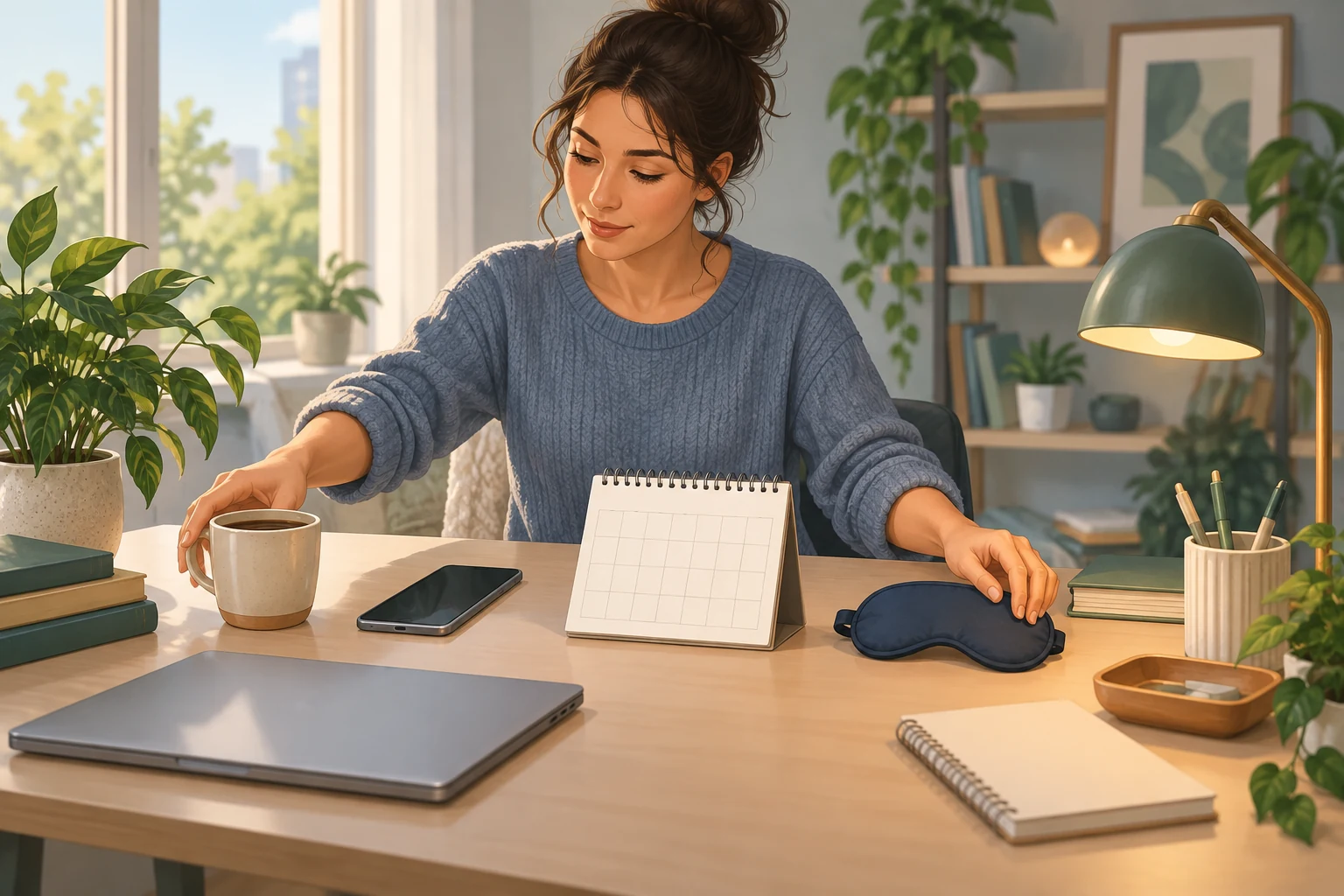
When anxiety everyday for no reason becomes a pattern, it helps to look for background triggers rather than one dramatic cause. Common contributors include poor sleep, irregular meals, too much caffeine, alcohol changes, hormonal shifts, illness, medication changes, pain, overwork, conflict, loneliness, trauma reminders, and long periods of uncertainty.
Stress can also accumulate quietly. Many people function well for weeks while their routines become thinner: fewer breaks, less movement, more screens at night, more people to care for, and less time to recover. Eventually the body may start sounding an alarm during an ordinary moment, such as sitting at a desk or trying to fall asleep.
There may be emotional triggers too. Perfectionism, people-pleasing, fear of disappointing others, and constant checking can keep the mind scanning for problems. You may not think, "I am worried," but your body may still be braced for criticism, rejection, mistakes, or loss of control.
If the worry is persistent, hard to control, and affects sleep, concentration, relationships, or work, it may be worth discussing with a healthcare provider or mental health professional. Educational tools like an anxiety screening questionnaire can support that conversation, but they cannot replace individualized care.
Chest, Stomach, and Uneasy Body Feelings
An uneasy feeling in the body for no reason can be one of the most confusing parts of anxiety. Some people notice feeling nervous for no reason in the chest, such as tightness, fluttering, pressure, or a fast heartbeat. Others notice feeling nervous in the stomach, with nausea, butterflies, cramps, appetite changes, or digestive discomfort.
These sensations are connected to the stress response. When the nervous system shifts into alert mode, breathing may become faster, the heart may pump more strongly, and digestion may slow or feel unsettled. Muscle tension can also make the chest, shoulders, jaw, or abdomen feel tight.
Still, body symptoms deserve care. Anxiety is common, but it is not the only possible explanation for chest pain, faintness, breathing trouble, severe stomach pain, or new symptoms that worry you. If a symptom is intense, sudden, unusual for you, or connected with medical risk factors, seek medical advice promptly. If you think you may be having a medical emergency, use local emergency services.
Why Anxiety Can Feel Worse at Night
Many people ask, "why do I feel anxious for no reason at night?" Nighttime can remove distractions. The house gets quiet, the phone finally goes down, and the mind has room to review unfinished tasks, social moments, health worries, money, family, or tomorrow's demands.
The body may also be tired, hungry, overstimulated, or affected by late caffeine, alcohol, intense exercise, scrolling, or irregular sleep. When you are exhausted, ordinary worries can feel larger. If you wake suddenly with fear, your body may already be in an aroused state, and your mind may search for an explanation after the fact.
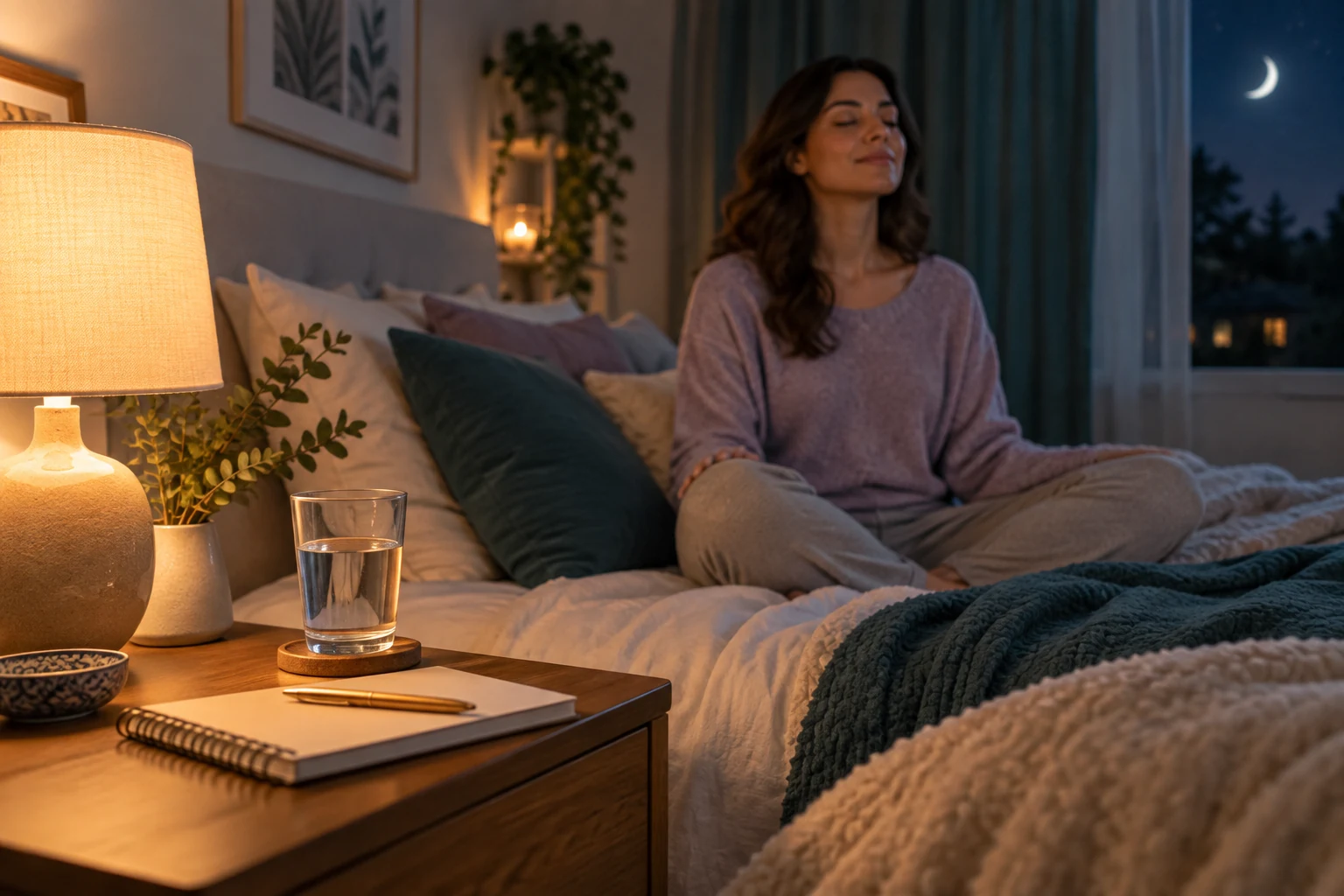
Try not to argue with yourself at 2 a.m. A more useful goal is to lower stimulation and make the next few minutes predictable. Sit up if lying down feels worse. Slow your breathing without forcing it. Name the room you are in. Feel your feet or hands against a steady surface. Write one line about the worry and one line about the next small action for tomorrow. Then return to a low-light routine.
How to Stop Feeling Anxious for No Reason in the Moment
The aim is not to force anxiety to disappear. The aim is to signal safety to your body and reduce the fear spiral. Use one simple method for two to five minutes before deciding whether it "worked."
- Name what is happening: "This is anxiety or stress arousal. I do not need to solve everything right now."
- Lengthen the exhale: breathe in gently, then breathe out a little longer than the inhale for several rounds.
- Orient to the room: name three things you see, three sounds you hear, and three points of contact with your body.
- Release one muscle group: drop your shoulders, unclench your jaw, or soften your hands.
- Do one grounding action: sip water, step outside, wash your face, stretch, or walk slowly for a few minutes.
The 3-3-3 rule for anxiety is a simple grounding variation: identify three things you can see, three things you can hear, and move or notice three body parts. It works best when you do it slowly, as a way of returning attention to the present.
One habit that often worsens anxiety is repeated checking for certainty. Searching symptoms, replaying conversations, asking for reassurance again and again, or monitoring your heartbeat may feel helpful for a moment, but it can train the brain to treat uncertainty as danger. A gentler replacement is to set a short "check once" rule, then move into a grounding action.
A Practical Trigger Check
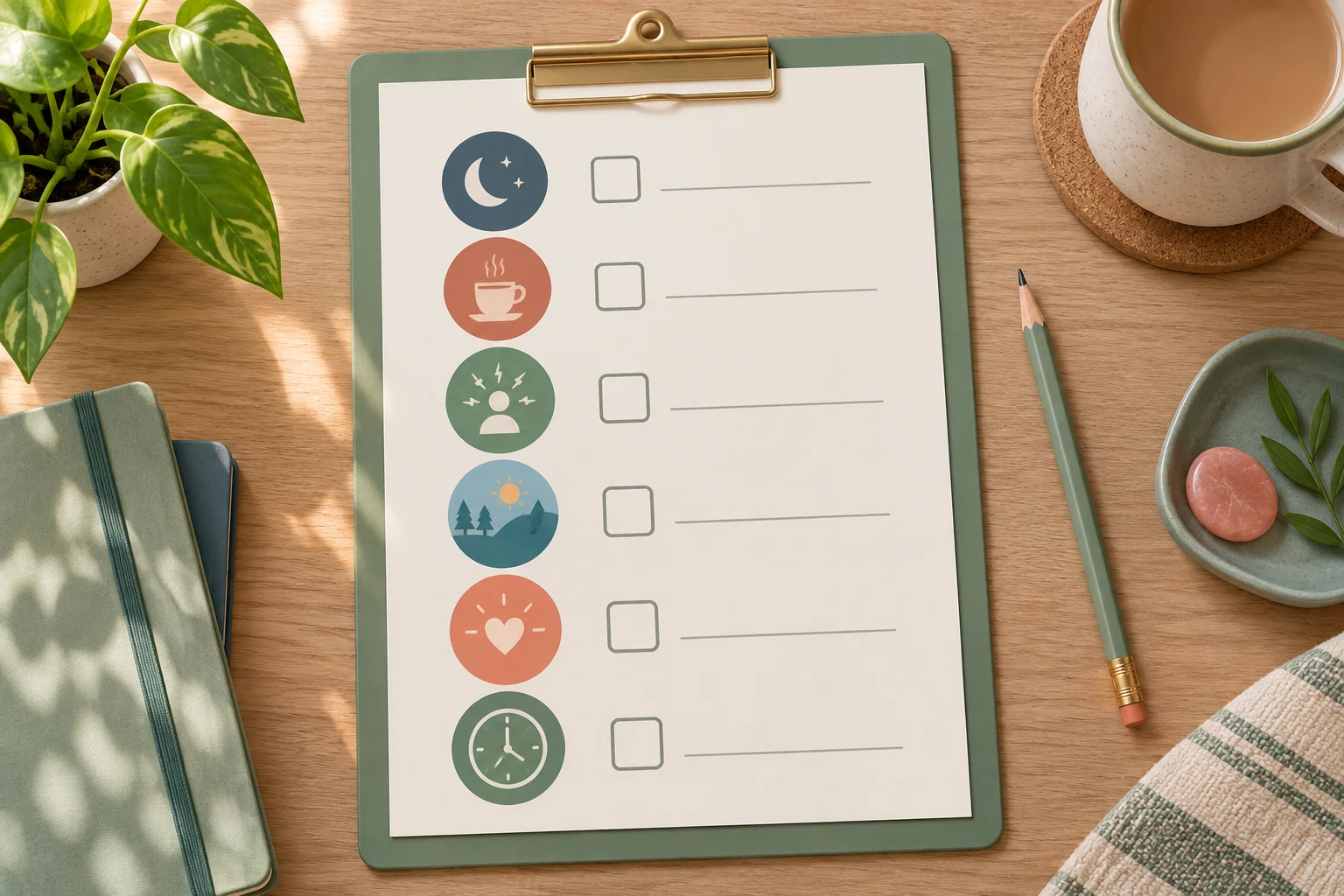
Use this quick scan when you suddenly feel scared for no reason. You do not need perfect answers. You are looking for clues.
- Body: Did I sleep enough, eat recently, drink caffeine, drink alcohol, feel ill, or change medication or supplements?
- Stress: Have I been under pressure for days or weeks, even if today looks normal?
- Environment: Is this room loud, crowded, messy, hot, bright, or overstimulating?
- Emotion: Did I avoid a feeling, conversation, decision, or memory?
- Thought pattern: Am I trying to be certain about something that cannot be fully certain today?
- Timing: Does this happen at night, before meetings, after social media, after conflict, or during quiet moments?
If one clue appears, respond with care rather than blame. For example, "I slept four hours and had two coffees" is not a moral failure. It is useful information. Over time, tracking these patterns can help you separate random anxiety from repeatable conditions that make anxiety more likely.
When Anxiety Needs More Support
Occasional anxiety is part of being human. More support may be helpful when anxiety feels constant, keeps returning without relief, disrupts sleep, causes avoidance, affects work or relationships, or comes with panic-like surges that feel unmanageable. Support is also important if you feel depressed, are using alcohol or substances to cope, or worry that symptoms may be connected to a physical health issue.
Professional support can include primary care, therapy, or other mental health care depending on your situation. A clinician may ask about timing, symptoms, stressors, health history, and how anxiety affects daily life. The goal is not to judge you. It is to understand the pattern and match support to your needs.
If you have thoughts of harming yourself or feel unable to stay safe, seek urgent help now through local emergency services or a crisis line in your country. In the United States, calling or texting 988 connects you with the Suicide & Crisis Lifeline.
Turning "Why Am I So Anxious for No Reason" Into a Next Step
The question "why am I so anxious for no reason" can become less frightening when you treat it as a starting point, not a verdict. You may not find one neat cause, and you do not have to. Start with what is observable: sleep, caffeine, food, stress load, body sensations, timing, avoidance, and the situations that make the feeling rise or fade.
For many people, the next useful step is a short record over one or two weeks: when anxiety appears, where it shows up in the body, what was happening before it, and what helped even slightly. If you want a structured snapshot of recent anxiety symptoms, you can review your pattern with a private GAD-7 self-check. Use the result as a conversation starter or reflection aid, not as a label for who you are.
You are not failing because anxiety feels mysterious. You are gathering information from a nervous system that may be tired, overstimulated, protective, or asking for more support. Small, steady responses count.
FAQ
How to stop being anxious for no reason?
Start by reducing the fear of the feeling. Name it as anxiety or stress arousal, slow your exhale, orient to the room, and do one grounding action such as walking, stretching, washing your face, or sipping water. Later, look for patterns in sleep, caffeine, stress, conflict, and nighttime routines.
Why do I suddenly feel scared for no reason?
Sudden fear can happen when the nervous system shifts into alert mode before your mind understands why. Possible contributors include stress buildup, body sensations, lack of sleep, caffeine, uncertainty, trauma reminders, or panic-like arousal. If symptoms are severe, new, or medically concerning, seek medical advice.
What does feeling nervous for no reason in the chest mean?
Chest tightness, fluttering, or a racing heart can occur with anxiety because breathing, heart rate, and muscle tension change during stress arousal. However, chest symptoms can also have medical causes. Get urgent help for severe chest pain, fainting, trouble breathing, or symptoms that feel unsafe or unusual for you.
Why do I feel nervous for no reason in my stomach?
Anxiety can affect digestion because the stress response shifts energy away from normal digestive activity. This may feel like nausea, butterflies, cramps, or appetite changes. Food timing, caffeine, illness, and stress can also matter. Ongoing or severe digestive symptoms deserve medical guidance.
What is the 3-3-3 rule for anxiety?
The 3-3-3 rule is a grounding exercise. Notice three things you can see, three things you can hear, and three body parts you can move or feel. It gives your attention a simple present-moment task, which can help reduce the spiral of anxious thoughts.
What is the worst habit for anxiety?
One common habit that keeps anxiety going is chasing certainty through repeated checking, reassurance-seeking, or symptom searching. It may soothe you briefly, but it can make uncertainty feel more dangerous over time. Try checking once, writing down the next practical step, and returning to a grounding action.
How do I get rid of anxiety?
It is more realistic to reduce anxiety and improve your relationship with it than to demand that it vanish forever. Sleep, movement, steady meals, less caffeine, grounding skills, journaling, therapy, and medical care when needed can all help. Persistent anxiety is worth discussing with a qualified professional.